


Don’t fret, at least too much, about that impending radiation storm set to hit Earth today through tomorrow, the largest such storm to find its way to us since May 2005.
A powerful solar flare called a coronal mass ejection …
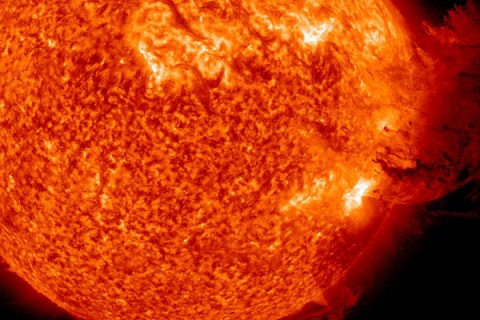
Don’t fret, at least too much, about that impending radiation storm set to hit Earth today through tomorrow, the largest such storm to find its way to us since May 2005.
A powerful solar flare called a coronal mass ejection …
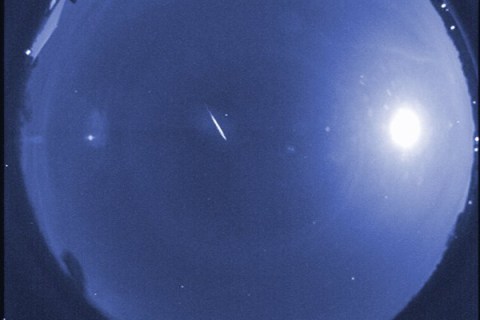
Heads up for stargazers: an annual meteor shower early Wednesday morning promises a “brief, beautiful show” worth waking – or staying – up for this year.

Talk about going the distance.

Fans of 1990’s television will be excited to hear that the Ted Turner-created Captain Planet and the Planeteers could soon be jumping from the small, not-high-definition screens in your memories to a big screen near you.
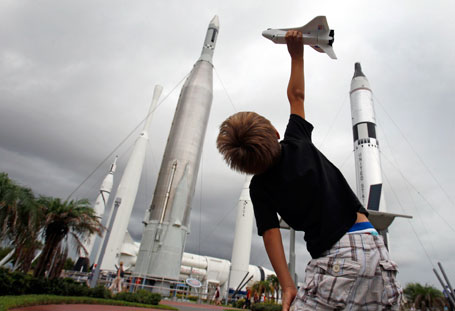
In honor of Shuttle Atlantis’s final mission, NewsFeed has launched a list of space-related links. Hold onto your chair so that zero gravity doesn’t pull you away from your desk.
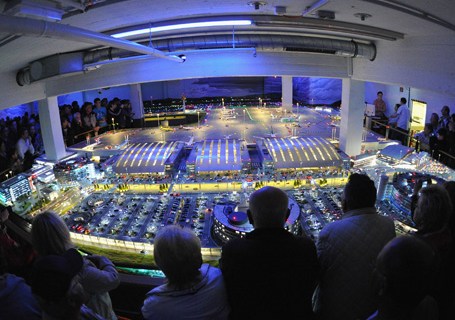
Today’s links feature “worldly” affairs.

You guys didn’t think Google would forget did you?
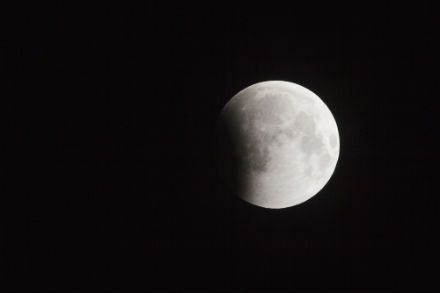
Want to see something amazing this weekend? Just look up at the sky.
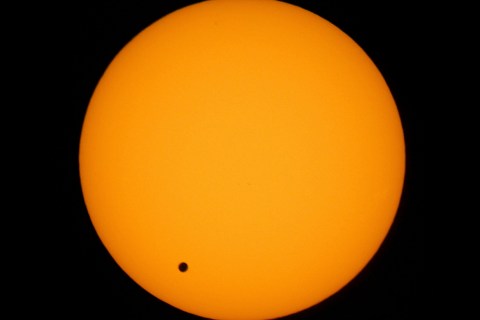
In the Star Wars saga, George Lucas imagined a world where twin suns rose and fell in the horizon. Looks like his vision may not be so far-fetched.
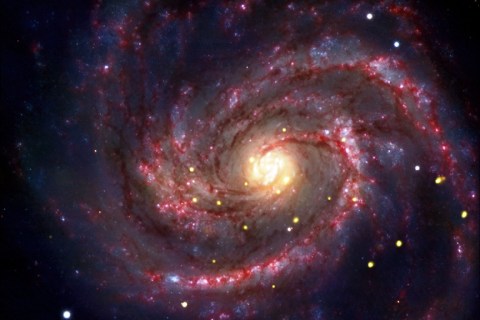
When NewsFeed was 10, we were discovering rocks in the backyard we hadn’t noticed before.
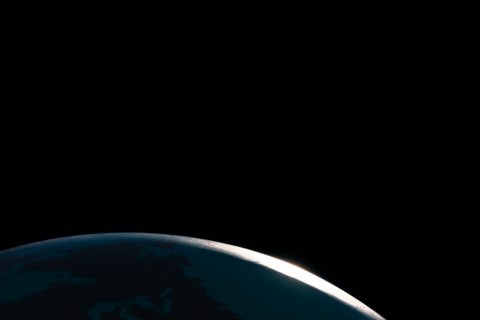
Sound like you know what you’re talking about when people ask you why today is the shortest day of the year.
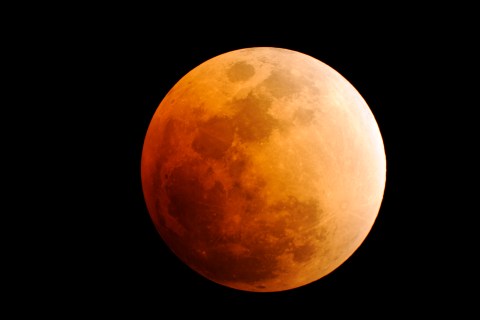
Will you stay up to watch a red moon? No it’s not some freaky holiday movie, but rather a lunar eclipse.